Source Analysis
Ancient texts on engineering techniques are reviewed to identify tools and methods.
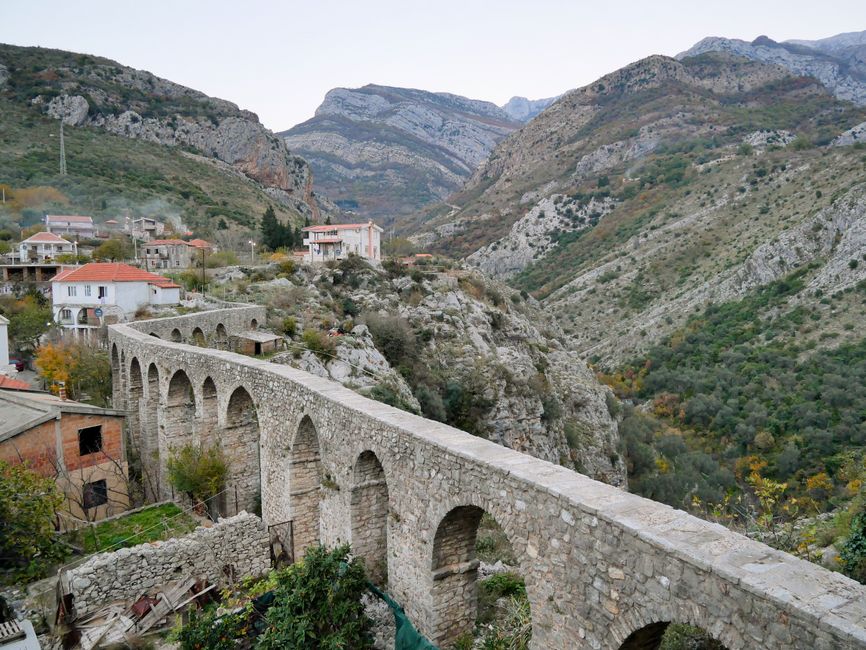
Our research examines ancient engineering as defined systems of thought, focusing on three interrelated domains: Roman surveying instruments and their geometric principles; hydraulic concrete and the material logic behind water-resistant structures; and mountain road networks as integrated responses to terrain. Seeking historical evidence through field documentation, archival recording, and structural analysis, we treat each method as a framework understood within its original logistical and environmental settings. Transparent procedures and peer-reviewed publication make methods replicable and contextual, offering structured frameworks for study rather than predictably applicable techniques or claims about implementation outcomes.
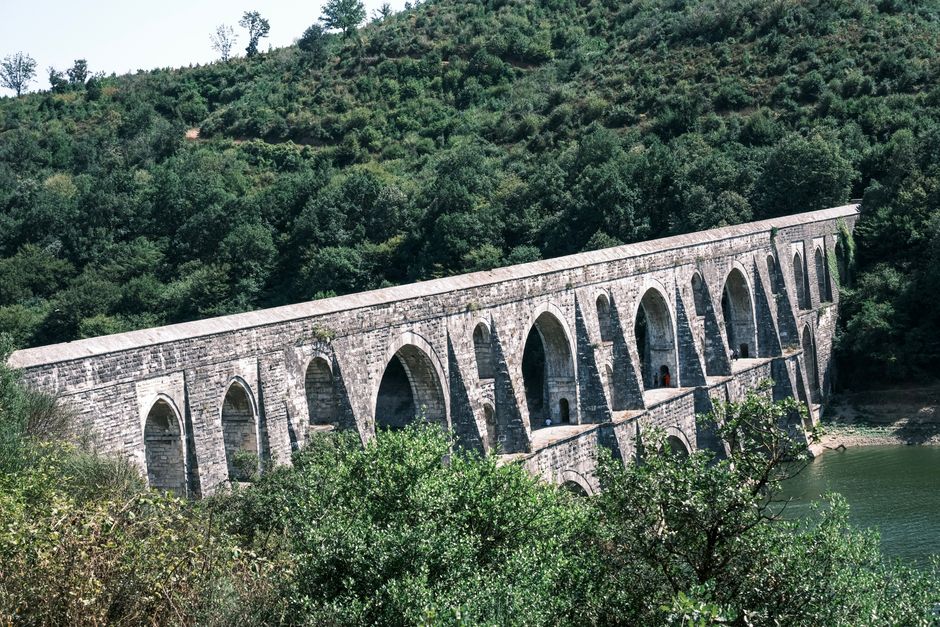
Ancient texts on engineering techniques are reviewed to identify tools and methods.
On-site surveys record structural details of roads, bridges, and water systems.
Samples are analysed to determine composition and properties of ancient building materials.
Collected data is compared to assess similarities and differences across ancient engineering practices.
The publication provided clear methodological steps. I especially valued how each surveying technique was placed within its historical and environmental context.
Contextual notes improved my understanding of hydraulic concrete. The descriptions remained factual and never seemed to push a single interpretation.
The Presentation on mountain road networks was detailed. I found the breakdown of construction phases logically organised, making it easier to follow the analysis.
Our research examines ancient engineering methods, focusing on Roman surveying instruments, hydraulic concrete, and mountain road networks. The groma and chorobates facilitated land division and leveling, relying on simple geometric principles for alignment. Hydraulic concrete, composed of lime, volcanic ash, and aggregate, was applied in contexts where water exposure necessitated careful material selection and placement. Mountain road networks were planned using incremental surveying techniques, with drainage and substructures adapted to irregular terrain. These approaches developed over centuries, combining empirical observation with systematic documentation. Their durability relates to local material availability, construction sequencing, and ongoing maintenance regimes. The methods reflect an engineering tradition oriented toward practical problem-solving, with variations across regions and periods. Further analysis addresses the transmission of these techniques and their adaptation to different environmental conditions. The technical principles remain subjects of ongoing study within archaeological and engineering history.
Receive regular articles on the roads, bridges and water systems built by ancient civilisations, with practical analysis of how these solutions worked and what they reveal about early engineering.