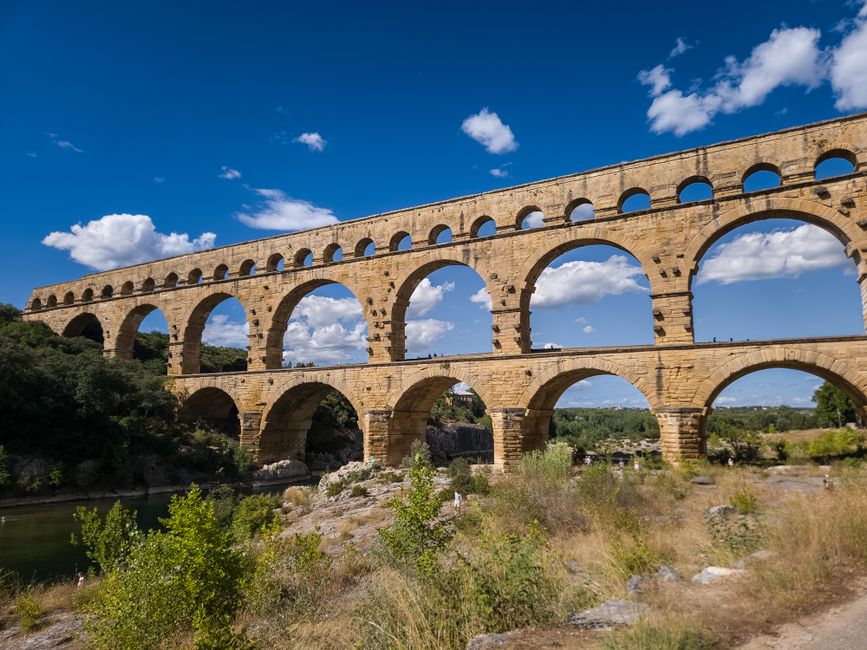
# Aqueducts
# Hydraulics
How Roman Aqueducts Supplied Cities Across the Empire
Roman aqueducts used gravity and precise gradients to deliver water over long…
Read
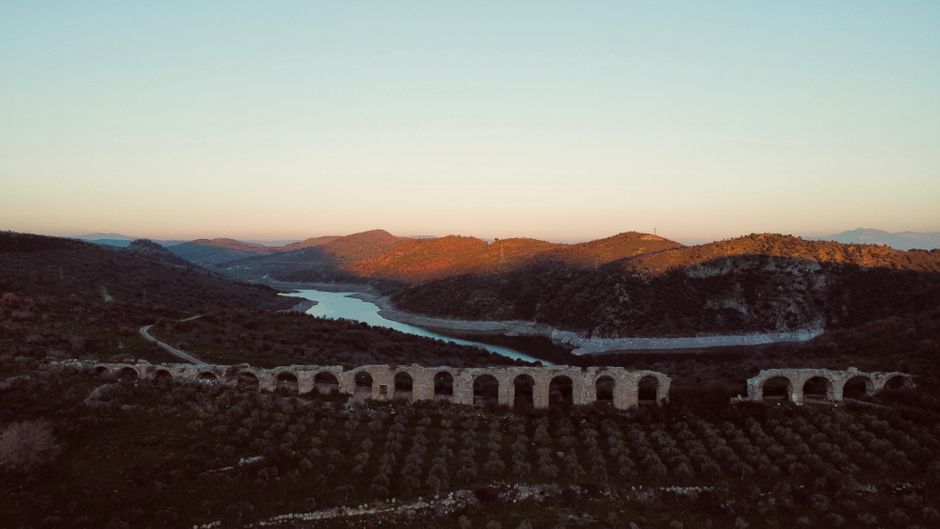
Ancient civilizations developed roads, bridges, and water systems through systematic planning and localized resource use. Roads often featured layered foundations and drainage channels to manage runoff, while bridges employed arch and beam structures adapted to specific terrains. Water systems relied on gravity-fed aqueducts, qanats, and cisterns, using materials like stone, lime mortar, and clay pipes. Organisational approaches included centralised planning, specialised labour forces, and standardised measurements. These engineering solutions represent informational frameworks for understanding how past societies addressed transport and water management challenges within their environmental and social contexts.
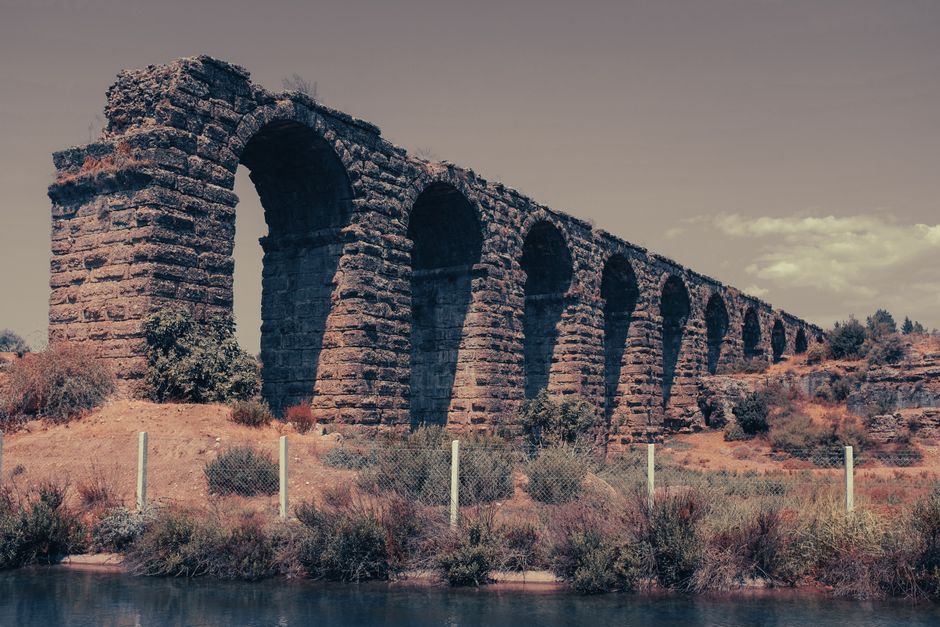
Ancient civilisations engineered remarkable infrastructure that laid the foundations for modern engineering. From the roads of the Roman Empire to the water systems of the Near East, these innovations solved complex problems of transport, communication, and resource management. Aqua Via explores how these ancient solutions continue to inspire contemporary design and infrastructure.
Roman roads, built with layered materials and precise drainage, enabled rapid movement of armies and goods across vast distances. Similarly, the Inca rope bridges of the Andes demonstrated advanced understanding of tension and load distribution. These structures were not merely functional; they were symbols of power and ingenuity.
Water systems such as the Persian qanats and Roman aqueducts utilised gravity and underground channels to deliver water to cities and farms. These ancient technologies highlight sustainable practices that resonate with modern challenges. By studying these engineering feats, we can derive lessons for resilient and efficient infrastructure today.
Receive regular articles on the roads, bridges and water systems built by ancient civilisations, with practical analysis of how these solutions worked and what they reveal about early engineering.